
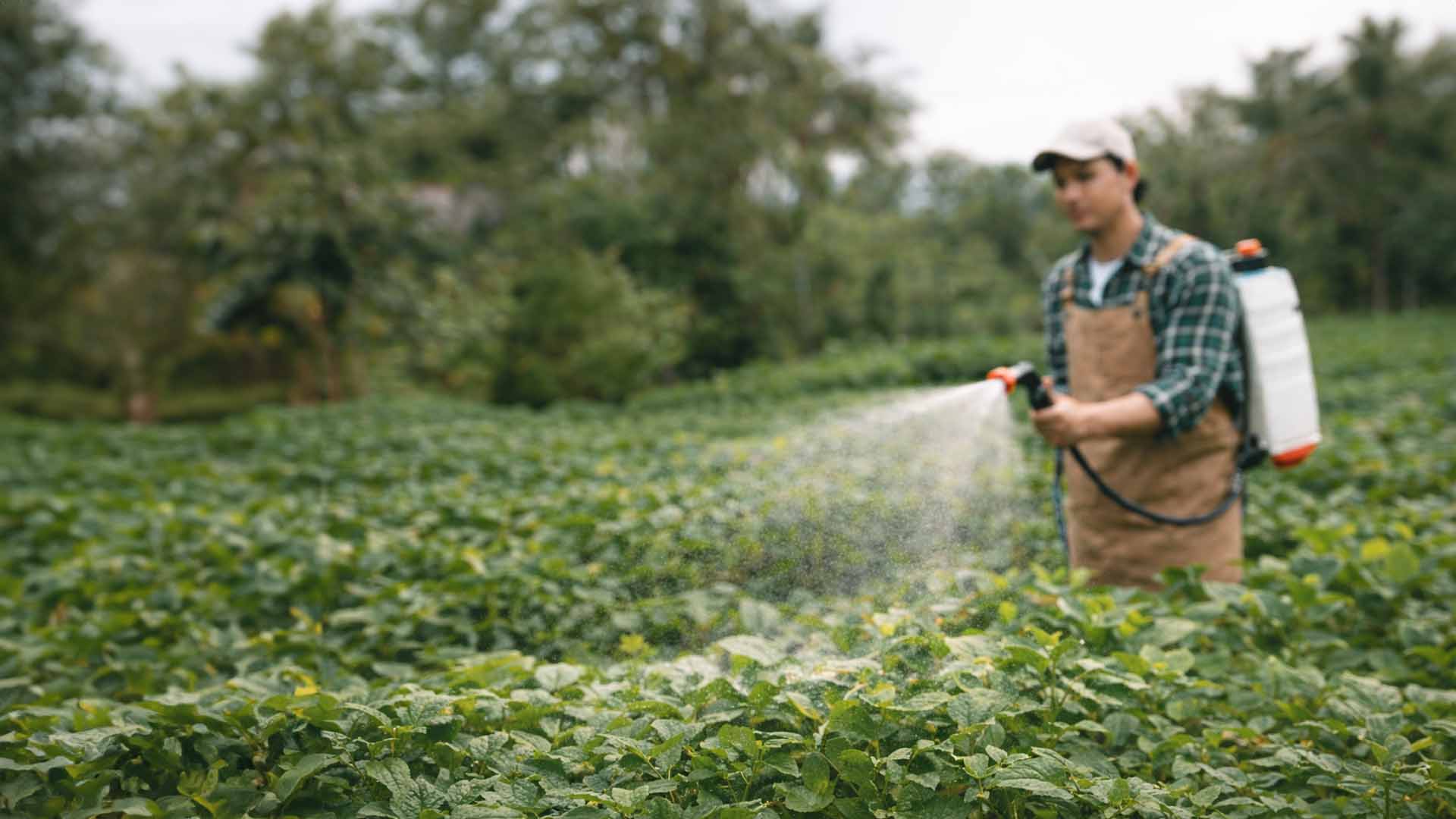
Pesticides and Fertilizers: Understanding Their Role in Modern Agriculture
Moving Beyond the “Good vs Bad” Narrative
Pesticides and fertilizers are often misunderstood in public discourse. In many discussions, agricultural inputs are portrayed as inherently harmful. However, the reality is more nuanced. When used responsibly, pesticides and fertilizers play a crucial role in ensuring food security, maintaining crop health, and supporting sustainable agricultural productivity.
Modern agriculture operates under growing pressure: increasing population demands, limited arable land, climate variability, and stricter quality standards. Within this context, crop protection and nutrient management are not optional—they are essential.
Why Fertilizers Matter
Plants require nutrients to grow, just as humans require balanced nutrition. Soil does not naturally replenish nutrients at the same rate crops extract them. Nitrogen, phosphorus, and potassium are vital for plant development, root strength, and yield stability.
Fertilizers—whether organic, inorganic, or blended—help restore soil fertility. Properly formulated fertilizer programs can:
-
Increase productivity per hectare
-
Improve crop quality and uniformity
-
Prevent nutrient deficiency diseases
-
Support consistent harvest cycles
The key lies in correct dosage, timing, and application method. Precision agriculture and soil testing have made fertilizer use increasingly efficient and environmentally controlled.
The Role of Pesticides in Crop Protection
Crops are vulnerable to pests, fungi, bacteria, and invasive species that can destroy harvests in weeks. Without adequate protection, yield losses can reach significant levels, directly impacting farmer income and food supply stability.
Pesticides are designed to control specific threats. When used according to regulatory guidelines and integrated pest management (IPM) strategies, they:
-
Reduce crop loss
-
Maintain food quality standards
-
Protect farmer investment
-
Stabilize market supply
Importantly, modern pesticides undergo strict safety evaluations before approval. Regulatory bodies establish residue limits to ensure consumer safety.
Responsible Use Is the Real Issue
The debate should not center on whether pesticides and fertilizers are “good” or “bad,” but on how they are managed.
Responsible agricultural practice includes:
-
Following label instructions and dosage guidelines
-
Using protective equipment
-
Rotating crop protection strategies to prevent resistance
-
Combining chemical inputs with biological and mechanical methods
-
Monitoring soil and environmental impact
Integrated approaches allow farmers to balance productivity with sustainability.
Innovation and Sustainability
Today’s agricultural input industry is evolving rapidly. Developments include:
-
Slow-release and controlled-release fertilizers
-
Bio-based crop protection solutions
-
Precision spraying technology
-
Drone and sensor-assisted nutrient application
These innovations reduce waste, improve targeting accuracy, and lower environmental footprint.
A Balanced Perspective
Agriculture must feed millions while maintaining environmental responsibility. Eliminating pesticides and fertilizers entirely is not a realistic solution for large-scale food production. Instead, the future lies in smarter use, technological innovation, and education.
When managed correctly, pesticides and fertilizers are tools—not threats. They are part of a broader system that enables farmers to produce safe, affordable, and consistent food for growing populations.


 No products in the cart.